Listening to Those Who Know Little About God or Reject Him
What is prayer? When we pray, we gather our thoughts and express our hopes. Two actions lie at the heart of prayer: listening and speaking. We listen to God and speak to him in prayer, especially during Mass. When we come to Mass, we usually pray alongside fellow Catholics, although non-Catholics and non-Christians may also join us.
This weekend, the Word of God invites us to reflect on this question: How do we listen to those who do not believe in God, yet are always loved and cared for by him?
Some people know little about God because they have had few opportunities to learn about faith. Others consciously reject belief in God, perhaps because of their convictions, unanswered questions, or painful experiences. Listening begins with understanding the particular person before us. Their disagreement may challenge us, but it does not diminish their dignity or God’s love for them.
In the first reading, we meet Cyrus, the Persian king. He did not belong to Israel or know the God of Israel, yet God called him by name and chose him as an instrument for the sake of his people. Through Cyrus, the Jewish exiles would have the opportunity to return home and rebuild their lives. God was working through a ruler whom they might never have expected to become part of their story of hope.
This is a humbling message for us. We treasure our faith and the guidance we receive through the Church. Yet Cyrus reminds us that God’s activity reaches beyond the boundaries of our own community. Someone who does not share our faith may help us recognise an injustice, understand another person’s suffering, or discover a better way to care for our neighbours. We need attentive hearts to recognise such opportunities.
In the Gospel, another ruler enters the conversation: Caesar, the Roman emperor. Jesus’ opponents ask whether it is lawful to pay taxes to him. They hope that his answer will create trouble, either with the Roman authorities or with those who resent Roman rule. They approach Jesus with a question, but their hearts are closed to receiving an answer that might change them.

Jesus asks them to show him the coin used for the tax and identify its image. When they answer that it is Caesar’s, he tells them to give Caesar what belongs to Caesar and God what belongs to God. His response recognises our responsibilities within society while directing our attention towards our relationship with God. We participate in public life, contribute to the common good, and recognise that our deepest belonging is to God.
The image on the coin also invites a further reflection. Caesar’s image appears on money, while we bear the image of God. So does the person beside us, including someone whose beliefs differ from ours. Their dignity comes from God. When we listen carefully to their experiences, we honour that dignity and allow ourselves to understand the person before us more fully.
Deep listening, therefore, involves listening to God, to the teaching of the Church, and to every person we encounter, including those who do not believe in God. We listen with prayerful discernment, seeking what is true and good. We can remain faithful to Christ while learning from another person’s experience. Such listening requires the humility to acknowledge that we still have much to understand.
We can begin with a simple practice: allowing another person to finish speaking before we respond. We can ask a gentle question and resist the urge to assume we already know their answer. Giving someone our attention creates space for trust, and trust can make an honest conversation about difficult questions possible.
Perhaps a family member has stopped attending Mass. Perhaps a young person is questioning their faith, or a neighbour carries painful memories of the Church. Before preparing an explanation, we can give them time to speak. What have they experienced? What are they searching for? What have we failed to hear? Their words may reveal a need for compassion, an opportunity for reconciliation, or something in our own behaviour that needs to change.
Cyrus reminds us to notice God’s unexpected instruments. Caesar prompts us to consider what we owe to society and to God. Together, these readings encourage us to bring our faith into every encounter with openness and responsibility. This week, let us make time for someone we find difficult to understand. Through patient listening, we may discover how God is inviting us to love that person more generously and to grow in faith ourselves.
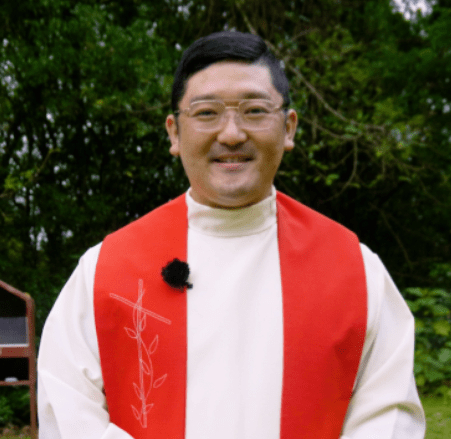
Peace and Blessings – Father Minje
Sponsors Of The Parish Newsletter: