Synodality and Co-Responsibility
When Pope Francis spoke about the Church in the last 8 years of his pontificate, one word rose again and again: synodality. Perhaps it still sounds like a new idea, but in truth it expresses something ancient—rooted in the earliest Christian communities and essential to the life Jesus entrusted to His Church. Synodality simply means walking together: clergy, religious, and lay people listening to the Holy Spirit and to one another as we discern God’s will side by side.
Pope Francis described synodality as “the path God expects of the Church in the third millennium.” His words remind us that the Church is not a pyramid of power but the People of God journeying together, each with gifts given for the sake of the whole. This is not new. Over a century ago, Pope Leo XIII—whose name Pope Leo XIV honoured—spoke of the Church as a “living body,” in which every member “has its own special office” for the good of the whole. Across different centuries, Francis and Leo echo the same truth: the Church flourishes when each member embraces the responsibility entrusted to them through baptism.
This leads directly to co-responsibility. Co-responsibility is not a buzzword or management model; it is a biblical and sacramental reality. In Matthew 28:19, Jesus entrusts the Great Commission not only to the apostles but to the whole Church: “Go therefore and make disciples of all nations.” This mission belongs to all the baptised. Pope Benedict XVI captured this well when he noted that lay people are not merely “collaborators” with clergy but truly co-responsible for the Church’s life and mission.
Synodality and co-responsibility are therefore not separate ideas. Synodality shapes how we walk together; co-responsibility shapes why. Together, they describe a Church that is united, discerning, and mission-focused.
For our own parish of Our Lady of the Rosary, this vision speaks directly to what we believe God is calling us to be. Our mission—to actively accompany people to encounter Jesus—rests on the conviction that every person can experience the transforming joy of intimacy with Him, and that this encounter naturally leads to the desire to share Him with others. Synodality reminds us that we discern this mission together.
Co-responsibility reminds us that the mission belongs to all of us, not just those in formal leadership.
People sometimes hear “co-responsibility” and think it means more work: more rosters, more ministries, more pressure. But this is not the Church’s vision. True co-responsibility does not burden—it magnifies. It lifts up the gifts God has already placed in His people. The Holy Spirit equips every baptised person with charisms meant to be discovered, nurtured, and released for the building of the Kingdom.
Co-responsibility also honours the dignity of the laity. It acknowledges that they are not passive recipients of grace but Spirit-filled disciples whose ordinary lives—at home, in workplaces, in parishes—are the frontline of the Church’s mission. The Church is not saying, “Do more for the sake of it,” but rather, “God has already placed gifts within you. Let’s recognise and unleash them.”
In a synodal parish, leadership is less about directing programs and more about accompanying people as they discern what God is asking of them. We don’t simply recruit volunteers; we cultivate disciples.
As we continue to walk the synodal path before us, may we deepen our commitment to this vision of co-responsibility. And may each of us rediscover that the mission Jesus gave is not a burden but a gift—one we carry together.
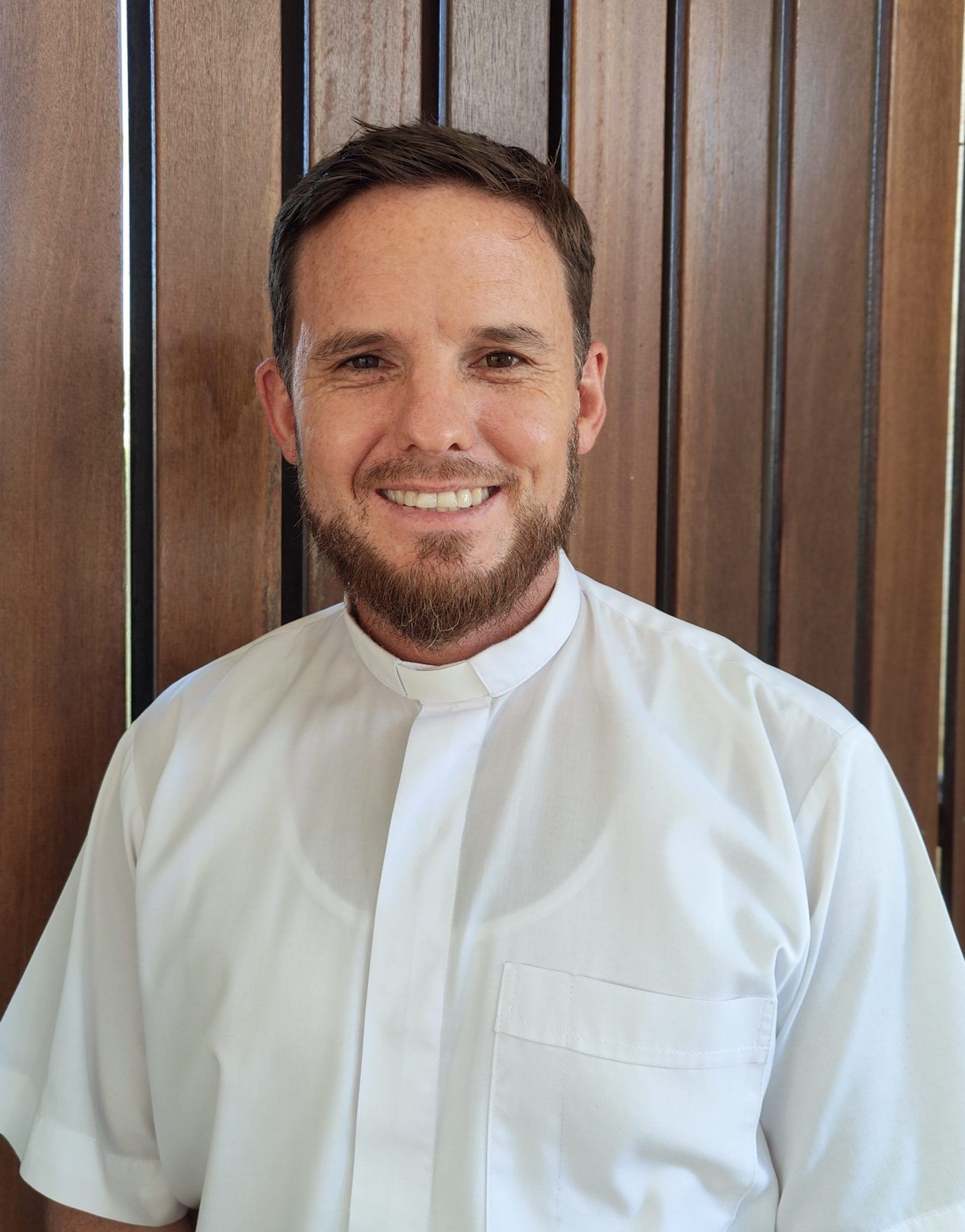
With peace and love, Fr Josh
Sponsors Of The Parish Newsletter: